Prime Ministers in the House of Lords

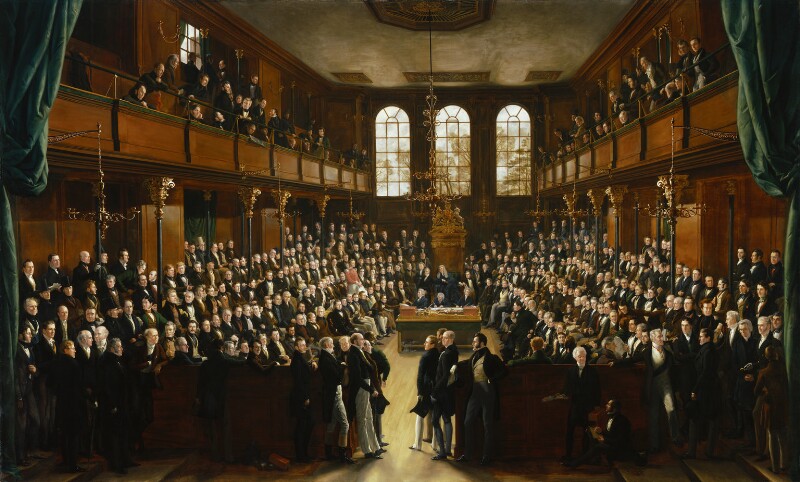
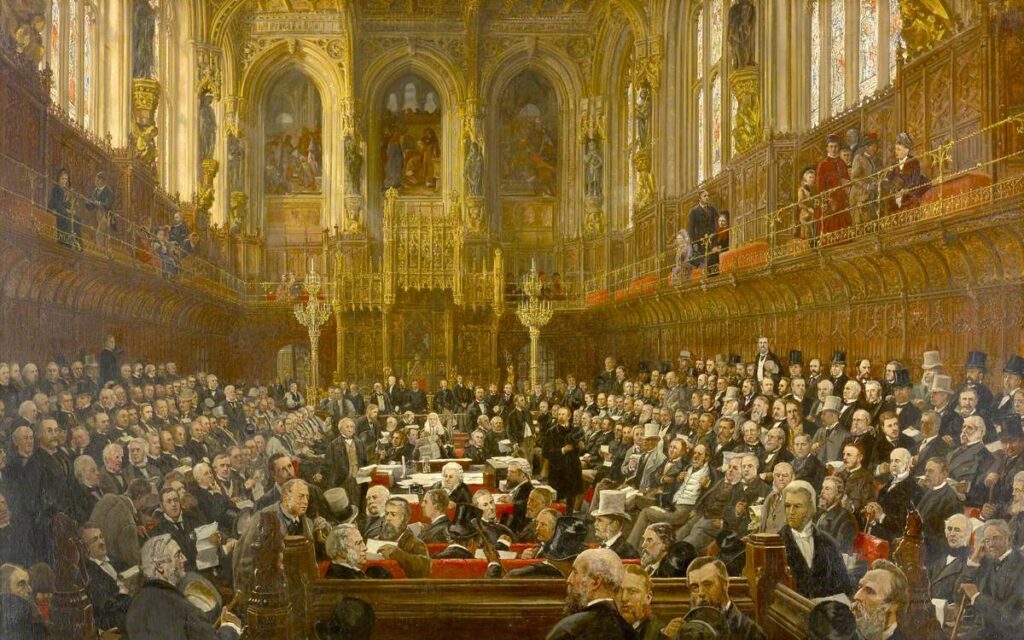
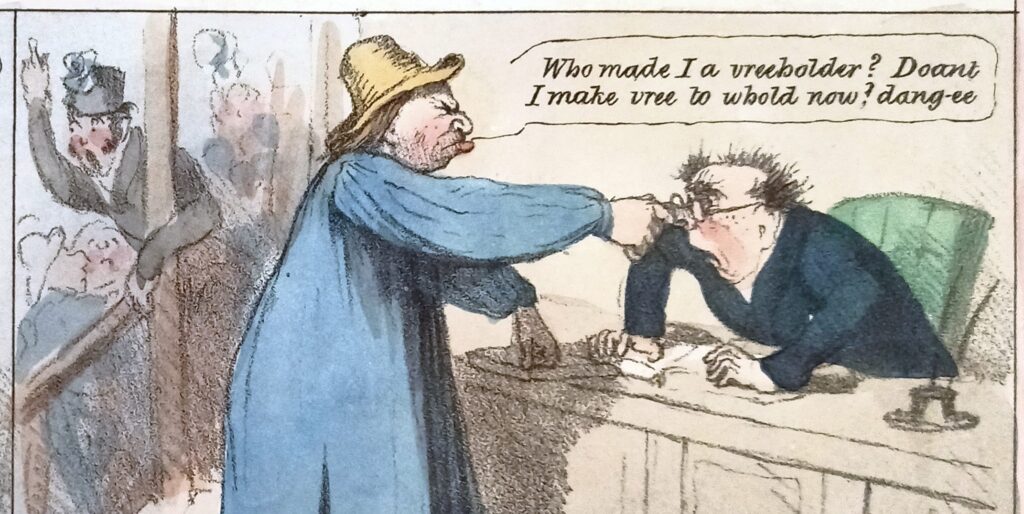
The retirement of Lord Salisbury in 1902 marked the end of the last premiership undertaken from the House of Lords, but in the nineteenth century, more prime ministers led governments from the Lords than the Commons. In this article, Dr Kathryn Rix, of our House of Commons, 1832-1945 project, explores the history and significance of prime ministers in the Lords. When Anthony Trollope wrote his … Continue reading Prime Ministers in the House of Lords

Re-membering the medieval parliament, 1769-1886

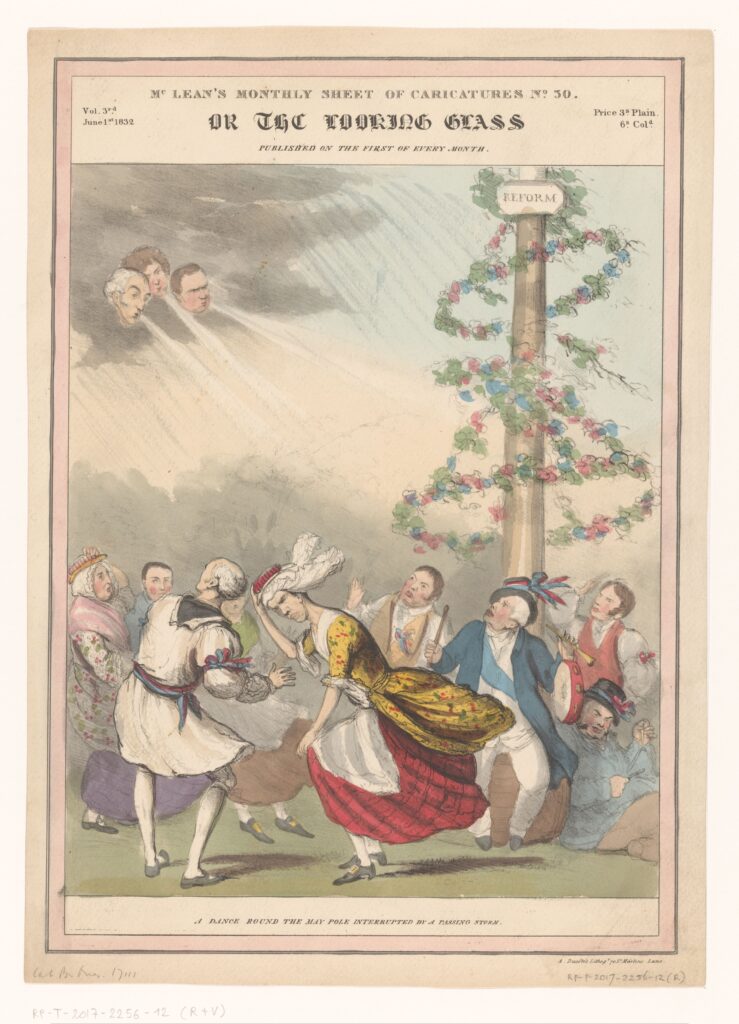
At the IHR Parliaments, Politics and People seminar on Tuesday 17 March, Dr Sarah Wride of the University of York and the Institute of Historical Research, will be discussing the political memory of medieval parliaments in debates about parliamentary reform between 1769 and 1886. The seminar takes place on 17 March 2026, between 5:30 and 6:30 p.m. It is fully ‘hybrid’, which means you can … Continue reading Re-membering the medieval parliament, 1769-1886

The ‘Bifrons Purse’: Elizabeth, Marchioness Conyngham and aristocratic women’s participation in nineteenth-century elections

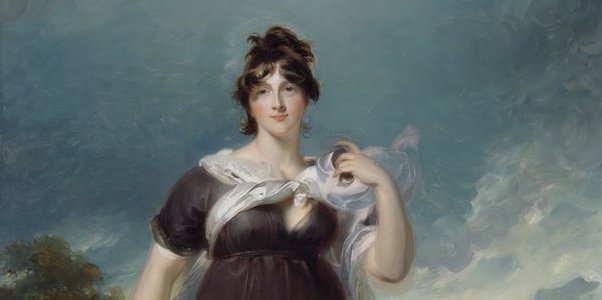
Drawing on her research into Canterbury for the House of Commons, 1832-1868 project, our research fellow Dr Naomi Lloyd-Jones explores the political life of Elizabeth, Marchioness Conyngham (1769-1861). Best known as George IV’s final mistress, Conyngham‘s electioneering activity in Canterbury offers an important example of the behind-the-scenes roles wealthy women could play in politics during the nineteenth century. Famous as ‘the regnante’ and ‘vice queen’, … Continue reading The ‘Bifrons Purse’: Elizabeth, Marchioness Conyngham and aristocratic women’s participation in nineteenth-century elections

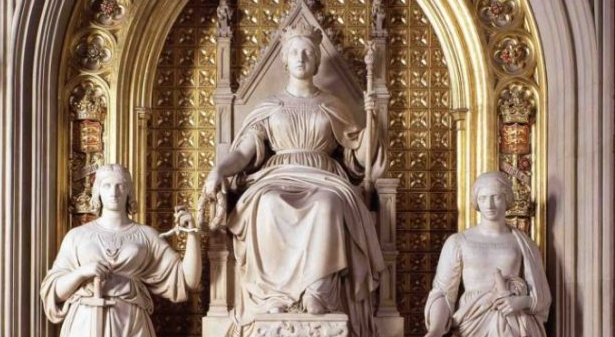
A statue of a queen on a throne with two women to either side

‘Unobtrusive But Not Unimportant’: Representations of Women and Sovereign Power at the New Palace of Westminster, 1841-1870

At the IHR Parliaments, Politics and People seminar on Tuesday 17 February, Dr Cara Gathern of UK Parliament Heritage Collections, will be discussing representations of women and sovereign power at the New Palace of Westminster, 1841-1870. The seminar takes place on 17 February 2026, between 5:30 and 6:30 p.m. It is fully ‘hybrid’, which means you can attend either in-person in London at the IHR, or online … Continue reading ‘Unobtrusive But Not Unimportant’: Representations of Women and Sovereign Power at the New Palace of Westminster, 1841-1870

How many people could vote in the UK after the 1832 Reform Act?

As part of our series of ‘explainer’ articles, aimed at clarifying the workings of the United Kingdom’s historic political system, Dr Martin Spychal examines how many people could vote in the UK after the 1832 Reform Act. This article draws from a new dataset of voting information for each constituency between 1832 and 1867, which Martin has been developing for the History of Parliament’s Commons … Continue reading How many people could vote in the UK after the 1832 Reform Act?

Reporting debates in the Victorian Commons

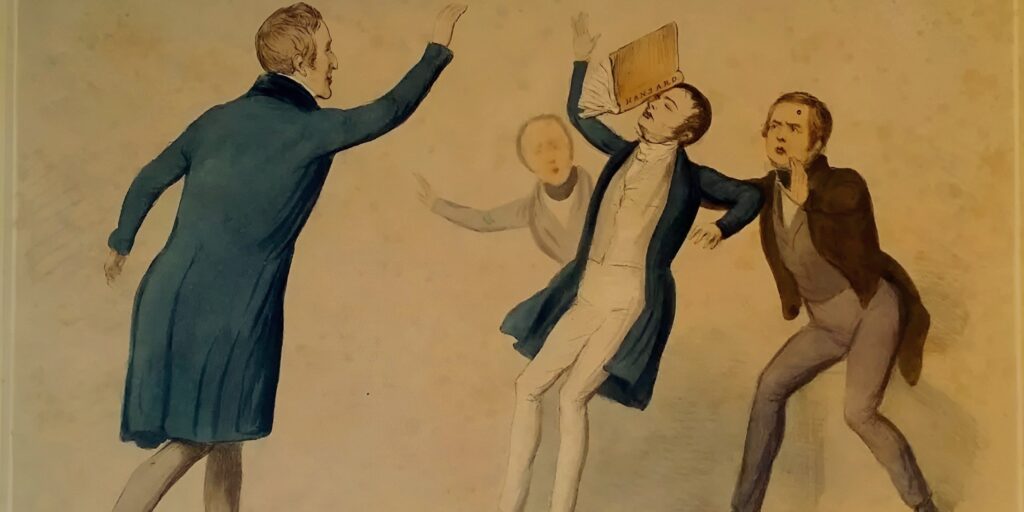
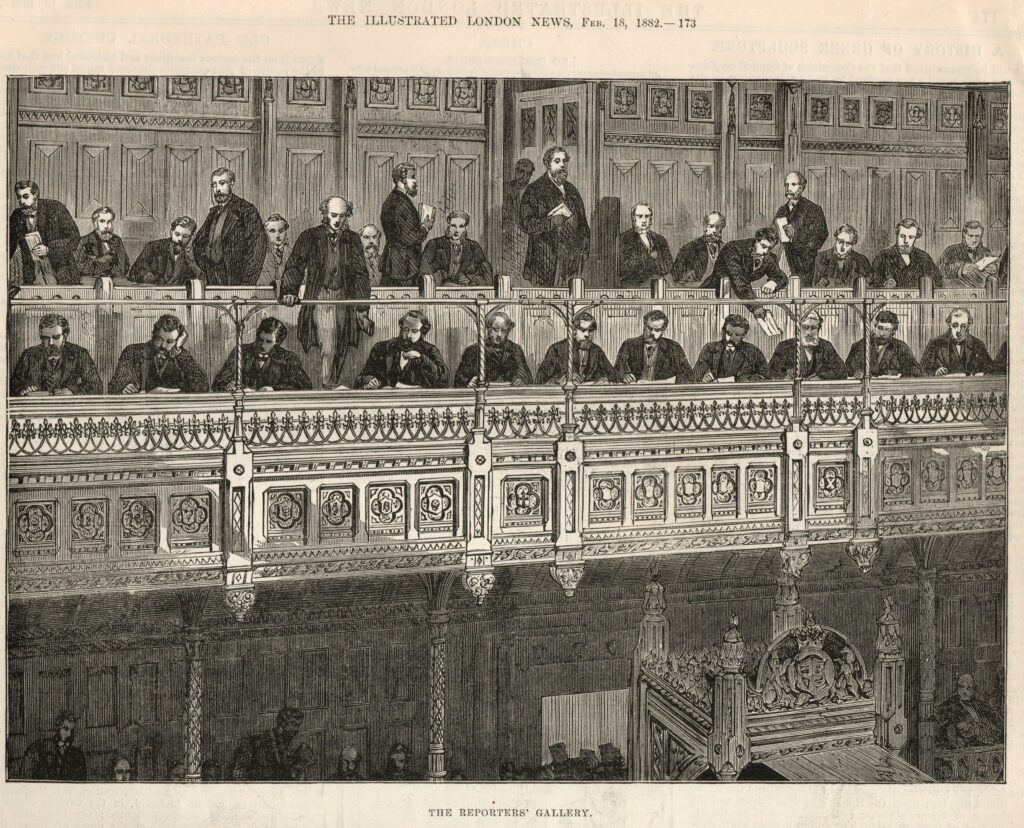
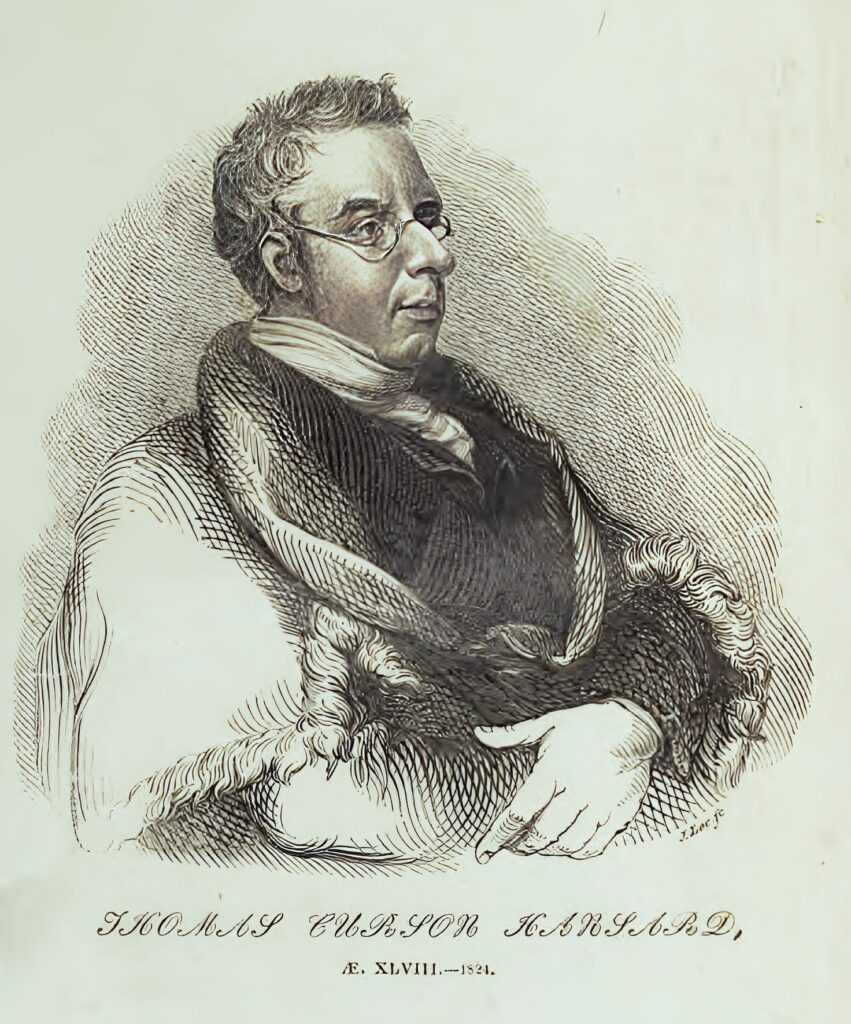
Today we take it for granted that parliamentary debates are recorded in Hansard. During the Victorian era, however, there was no ‘official’ record. Dr Philip Salmon shows how, before the advent of modern democracy, public interest in Parliament was sufficient for reports of debates to be produced and sold commercially. As democracy advanced, however, the public’s appetite began to change … During the early 19th … Continue reading Reporting debates in the Victorian Commons

Happy New Year from the Victorian Commons for 2026!

Here’s wishing all our readers a very enjoyable New Year! 2025 was a particularly memorable year for our 1832-68 House of Commons project and the History of Parliament. After 20 years based at Bloomsbury Square in the so-called ‘knowledge quarter’ around the British Museum, we sorted and packed decades of research materials and relocated to a new open-plan office at 14-18 Old Street in Islington. The volume … Continue reading Happy New Year from the Victorian Commons for 2026!

Peter McLagan senior (1774-1860): enslaver, plantation owner and landed proprietor

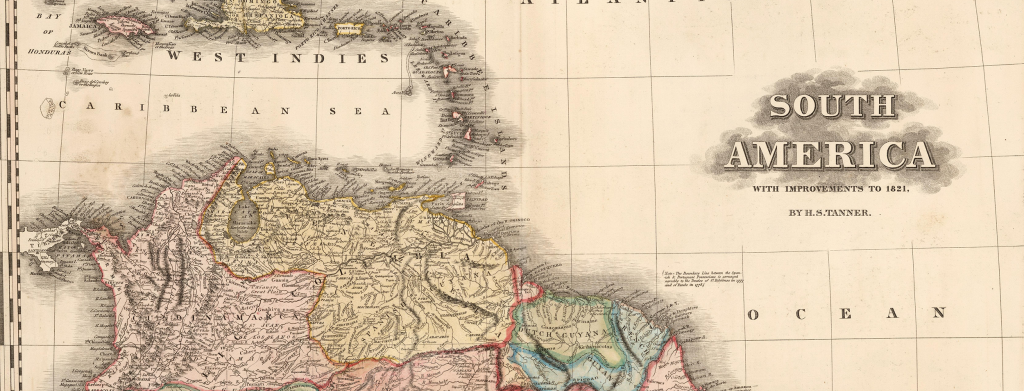
Dr Martin Spychal explores the life of Peter McLagan senior (1774-1860). A farmer’s son from Perthshire, McLagan senior acquired considerable wealth as an enslaver and plantation owner in Demerara (modern-day Guyana) during the early nineteenth century. He received extensive ‘compensation’ under the terms of the 1833 Abolition of Slavery Act. Continue reading Peter McLagan senior (1774-1860): enslaver, plantation owner and landed proprietor

Black and Political: Reconstructing Black Participation in British Politics, 1750-1850

At a special joint session of the IHR’s Parliaments, Politics and People and British History in the Long 18th Century seminars on Wednesday 3 December, Dr Helen Wilson will be discussing Black participation in British Politics between 1750 and 1850. The free seminar takes place on 3 December 2025, between 5:30 and 7:30 p.m. It is fully ‘hybrid’, which means you can attend either in-person … Continue reading Black and Political: Reconstructing Black Participation in British Politics, 1750-1850

Cricket in the Commons: a Victorian First Eleven

With the 2025 Ashes between England and Australia getting underway this week, we have a cricketing themed post from our House of Commons, 1832-1945 project. Historically, cricketing terminology, with its allusions to ‘fair play’ and playing with a ‘straight bat’, has been a mainstay of British political discourse. This was certainly the case in the Victorian era. For example, in 1864, when the Conservative opposition … Continue reading Cricket in the Commons: a Victorian First Eleven