‘She, yes, she was the only member of parliament’: Harriet Grote, radical parliamentary tactics and House of Lords reform, 1835-6

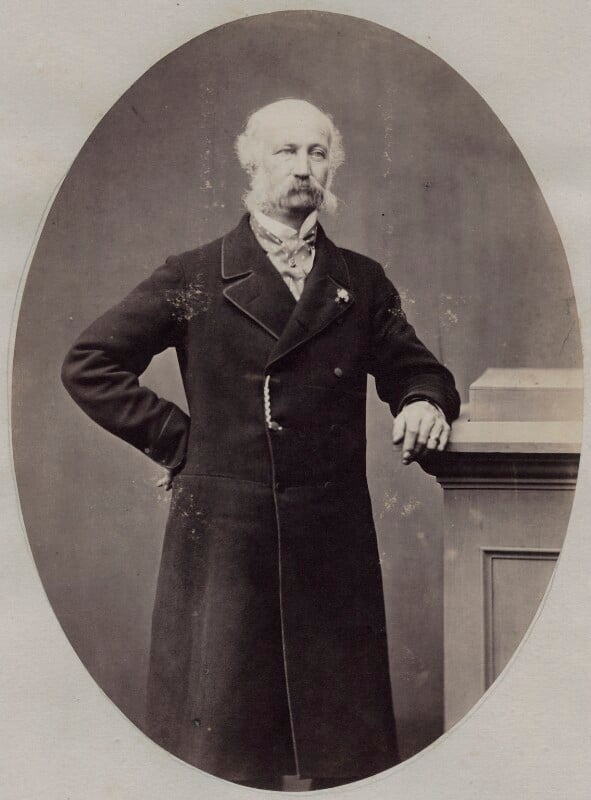
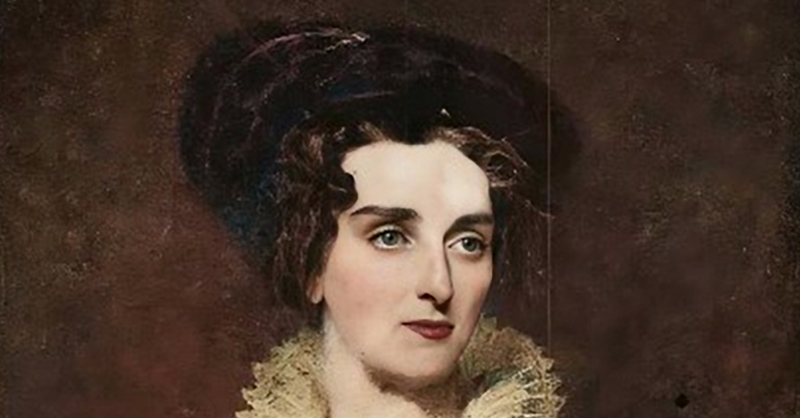
In the fifth of his articles on Harriet Grote (1792-1878), our research fellow Dr Martin Spychal explores Harriet’s relationship with the veteran radical Francis Place (1771-1854), her views on radical tactics and her increasingly resourceful strategies for influencing Parliament during the 1835 and 1836 parliamentary sessions. In September 1836 the veteran radical, Francis Place (1771-1854), shared his thoughts on one of his closest Westminster allies, Harriet Grote (1792-1878). … Continue reading ‘She, yes, she was the only member of parliament’: Harriet Grote, radical parliamentary tactics and House of Lords reform, 1835-6

Harriet Grote (1792-1878) and the first reformed Parliament, 1833-34: a woman at Westminster

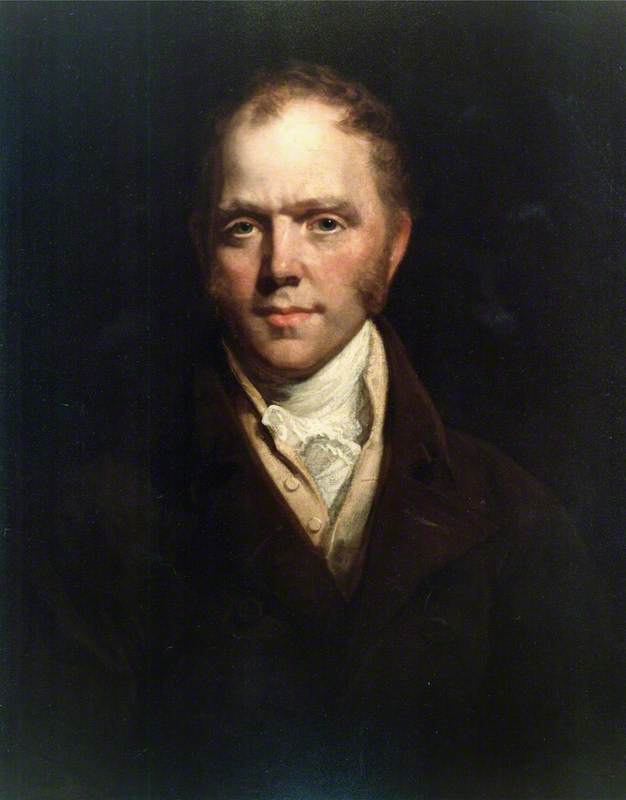
In the third of his articles on Harriet Grote (1792-1878), our research fellow Dr Martin Spychal looks at Harriet’s introduction to politics at Westminster during the first ‘reformed’ Parliament of 1833-34. Harriet Grote (1792-1878) was one of the most important British politicians of the 1830s. As I’ve discussed in my previous articles, she had been a key figure among London’s intellectual radicals during the previous … Continue reading Harriet Grote (1792-1878) and the first reformed Parliament, 1833-34: a woman at Westminster

The radical hostess of Parliament Street: Harriet Grote (1792-1878), the 1832 election and establishing influence as a woman at Westminster

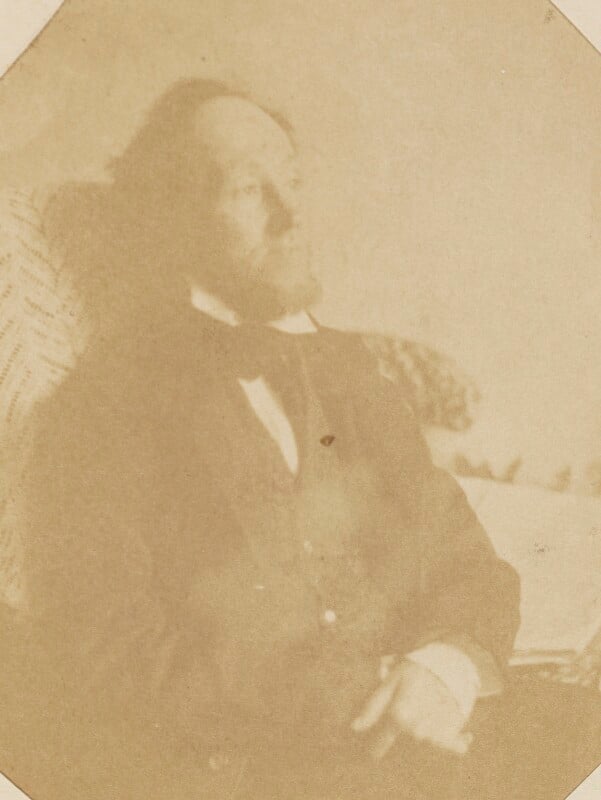
In the second of his articles on Harriet Grote (1792-1878), our research fellow, Dr Martin Spychal, explores Harriet’s introduction to electoral politics at the 1832 election and her preparations for the 1833 parliamentary session… The 1832 election introduced Harriet Grote (1792-1878) to several of the traditional, and not so traditional, avenues through which a politician’s wife could engage in nineteenth-century electoral politics. As I discussed … Continue reading The radical hostess of Parliament Street: Harriet Grote (1792-1878), the 1832 election and establishing influence as a woman at Westminster

‘Had she been a man, she would have been the leader of a party’: Harriet Grote (1792-1878), radicalism and Parliament, 1820-41

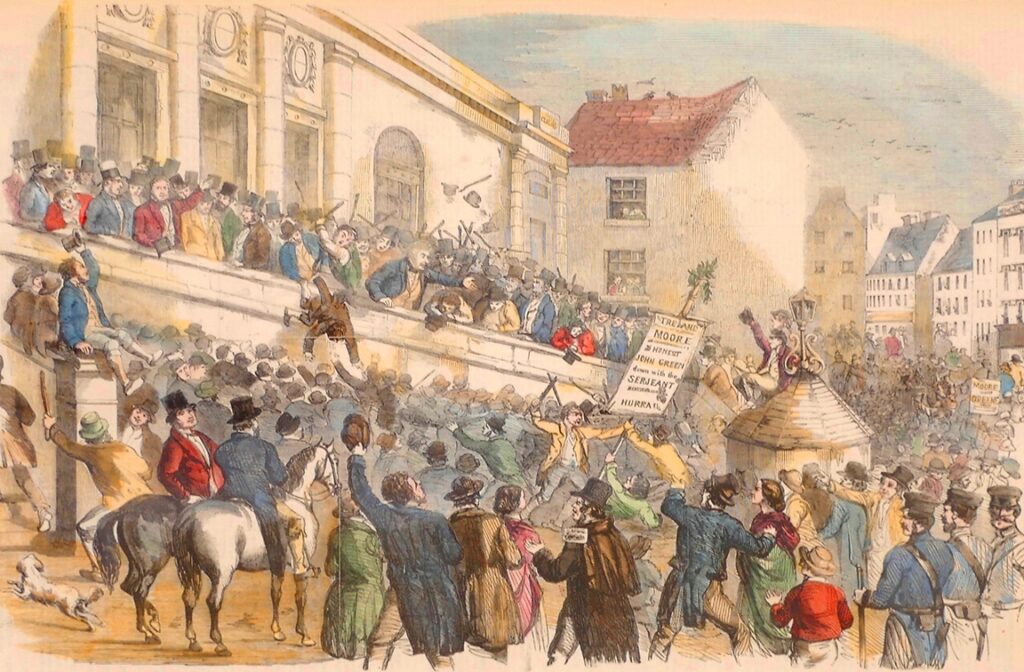
In the first of his articles on Harriet Grote (1792-1878), our research fellow Dr Martin Spychal, explores Harriet’s early life, her emergence as a central figure among London’s intellectual radicals during the 1820s and her arrival on the Westminster political scene during the reform crisis of 1830-32… Harriet Grote, née Lewin, grew up in the comfortable surrounds of Ridgeway Castle near Southampton, which her father, … Continue reading ‘Had she been a man, she would have been the leader of a party’: Harriet Grote (1792-1878), radicalism and Parliament, 1820-41

John Lewis: A Black Sailor at the 1828 Weymouth By-Election

In this guest article Dr Joe Cozens discusses his research into John Lewis, a Black sailor who was arrested during the 1828 Weymouth by-election. Dr Cozens is a Nineteenth Century Social and Political Records Researcher at The National Archives, Kew. On the eve of the February 1828 Weymouth and Melcombe Regis by-election, a Black seaman named John Lewis was arrested for being ‘at the head … Continue reading John Lewis: A Black Sailor at the 1828 Weymouth By-Election

John Bowes (1811-85): the MP and his museum

In this article Dr James Owen looks at the career of John Bowes (1811-85). Best known as an art collector and colliery owner, Bowes was MP for Durham South, 1832-47, but had a far greater impact outside Parliament than at Westminster, with one of his major legacies being the museum which bears his name. The Bowes Museum, situated in the historic market town of Barnard … Continue reading John Bowes (1811-85): the MP and his museum

A man in head and shoulders profile with a three piece suit on and black bow tie

Peter McLagan (1823-1900): Scotland’s first Black MP

This is the first article in a new series for the Victorian Commons on Peter McLagan (1823-1900), by Dr Martin Spychal, Senior Research Fellow on our House of Commons 1832-1868 project. McLagan was the first Black MP to represent a Scottish constituency, sitting for Linlithgowshire between 1865 and 1893. The series will explore McLagan’s personal, political and professional life, the lives of his close family … Continue reading Peter McLagan (1823-1900): Scotland’s first Black MP

Beyond the Census: John Rickman and Parliament

At the IHR Parliaments, Politics and People seminar on 17 June 2025, Professor Julian Hoppit, Honorary Professor of British History at UCL, will be discussing John Rickman and his career in Parliament. The seminar takes place on 17 June 2025, between 5:30 and 6.30 p.m. It will be hosted online via Zoom. Details of how to join the discussion are available here. John Rickman (1771-1840) is best known … Continue reading Beyond the Census: John Rickman and Parliament

Richard Cobden’s letters: the human side

In this guest post, previously published on the Victorian Commons, Dr Helen Dampier, Leeds Beckett University, uses the groundbreaking Letters of Richard Cobden Online resource to explore the human side of Richard Cobden. Helen is a co-investigator for the project, which contains a searchable collection of digital transcripts of letters written by Cobden and a virtual exhibition of the original documents. The digital publication of c. … Continue reading Richard Cobden’s letters: the human side

‘The son of one of the best men who ever adorned the country’: William Wilberforce (1798-1879)

Our House of Commons, 1832-1868 project has found many examples of sons who followed their fathers into Parliament. Dr Kathryn Rix looks at William Wilberforce (1798-1879), whose political career failed to live up to that of his far more famous father. Trading heavily on his family name, William Wilberforce (1798-1879), eldest son and namesake of the noted anti-slave trade campaigner, was elected in 1837 as … Continue reading ‘The son of one of the best men who ever adorned the country’: William Wilberforce (1798-1879)