
‘A very disagreeable situation’: the brief premiership of William Cavendish, 4th duke of Devonshire

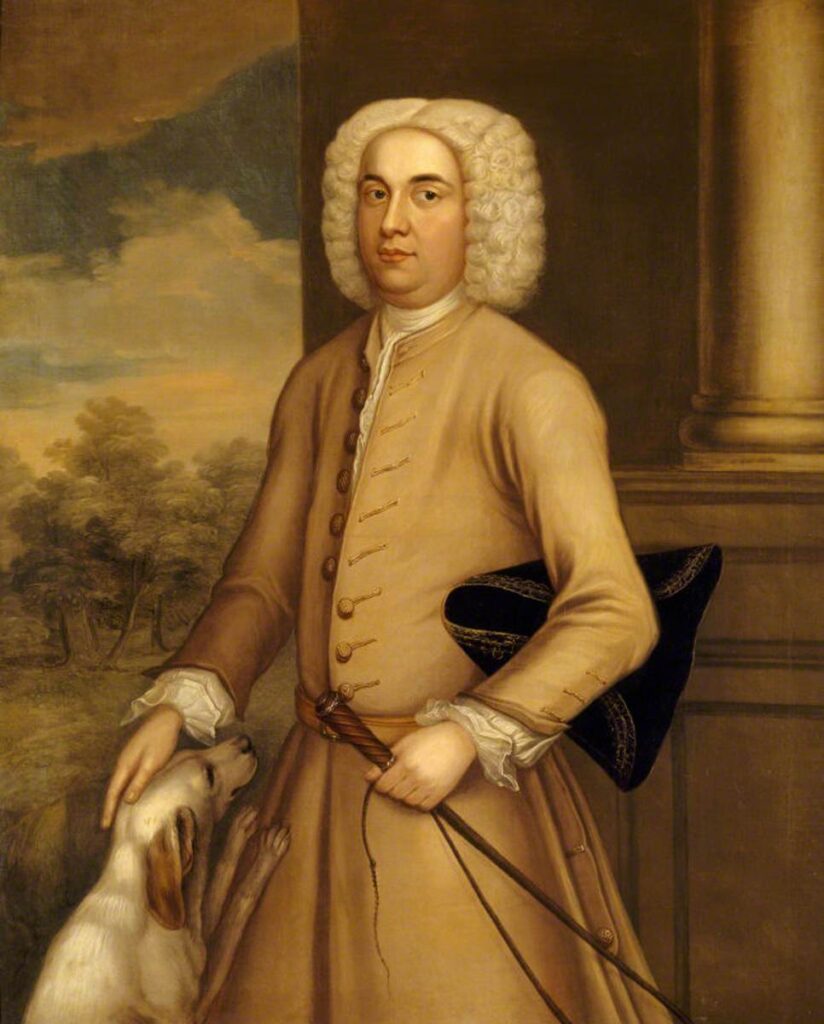
Following Liz Truss’s record-breaking short tenure as Prime Minister, recently much attention has turned towards some of the historical figures who held the post of Premier for only a short period of time. William Cavendish, 4th duke of Devonshire, is amongst this list, serving only 255 days in office. But as Charles Littleton from our Lords 1715-1790 project explores, it was never Devonshire’s intention to … Continue reading ‘A very disagreeable situation’: the brief premiership of William Cavendish, 4th duke of Devonshire

‘A hotch-potch ministry’ – the brief but tempestuous premiership of the 2nd earl of Shelburne

Following the resignation of Liz Truss after 44 days in office, attention has turned to some of the previous figures to hold short tenures as Prime Minister. In 1782 William Petty, 2nd earl of Shelburne, became Premier and oversaw a shaky 266 days at the top, as Robin Eagles, editor of our Lords 1715-1790 project explores… Lord Shelburne is not much remembered now as a … Continue reading ‘A hotch-potch ministry’ – the brief but tempestuous premiership of the 2nd earl of Shelburne

Profile of an 18th century Black Voter: George John Scipio Africanus

In a second blog for this year’s Black History Month, we are once again hearing from Helen Wilson, PhD candidate with the History of Parliament and the Open University. Within Helen’s research she has been uncovering the previously overlooked presence of Black voters in 18th century Britain, including figures like George Africanus, profiled below… The eighteenth century saw many geo-political expansions and retractions for the … Continue reading Profile of an 18th century Black Voter: George John Scipio Africanus

The Presence of Black Voters in the 18th and 19th Centuries

October is Black History Month in the UK, as institutions like the History of Parliament attempt to re-insert and highlight the Black experience into fields of history previously overlooking this. Here, we hear from Helen Wilson, PhD candidate with the History of Parliament and Open University, who is researching the Black and Mixed Ethnicity Presence in British Politics, 1750-1850. As Helen explains, despite significant barriers … Continue reading The Presence of Black Voters in the 18th and 19th Centuries

The Last Burial of a King in Westminster Abbey

The death of Queen Elizabeth II has meant the revival of a practice that had in effect been suspended for over two centuries: the funeral of a monarch in Westminster Abbey. The last king to have his funeral there was George II on 11 November 1760, and even though this was technically a ‘private funeral’, thereafter more private – though still very public – ceremonies … Continue reading The Last Burial of a King in Westminster Abbey

The Aftermath of the Impeachment of Thomas Parker, earl of Macclesfield

In the latest blog for the Georgian Lords, Dr Stuart Handley reassesses the impeachment, and later career, of Thomas Parker, earl of Macclesfield, the last victim of a political impeachment prior to that of Warren Hastings. Corruption and impeachment are terms that have been much in the news, especially with regard to former President Donald Trump, who was impeached, and former Prime Minister, Boris Johnson, … Continue reading The Aftermath of the Impeachment of Thomas Parker, earl of Macclesfield

‘Robin the trickster’ versus ‘Stiff Dick’: the election of Robert Harley as Speaker of the Commons in 1701

In the latest in our series discussing some of the notable figures to occupy the role of Speaker of the House Dr Robin Eagles, editor of our Lords 1715-1790 project, discusses the contested election that led Robert Harley to the chair… From 1704 to the spring of 1705 Robert Harley was both Speaker of the House of Commons and one of the secretaries of state. … Continue reading ‘Robin the trickster’ versus ‘Stiff Dick’: the election of Robert Harley as Speaker of the Commons in 1701

“From wickedness or from weakness”: the beginning of the end for Sir Robert Walpole

During July we welcomed year 12 student Thomas O’Donoghue to the History of Parliament office, to carry out a work experience placement with our research and outreach teams. During his time, Thomas worked with Dr Robin Eagles, editor of our Lords 1715-1790 project, to explore an attempt in 1741 to topple Sir Robert Walpole from power. Here Thomas writes about the impact of two key … Continue reading “From wickedness or from weakness”: the beginning of the end for Sir Robert Walpole

‘A frenzy of quitting’: the art of resigning in the 18th century

In the latest blog for the Georgian Lords, Dr Charles Littleton considers two episodes in the mid-18th century when governments were subject to mass resignations… Between 5 and 7 July 2022, over 60 members of Boris Johnson’s government resigned, the highest number of resignations in a limited period in British political history. Few 18th-century governments saw as many departures, but many of the period’s administrations … Continue reading ‘A frenzy of quitting’: the art of resigning in the 18th century

To attend or not to attend: state trials during an outbreak of smallpox

In the latest blog for the Georgian Lords, Dr Robin Eagles considers the dilemma facing some peers summoned to attend the trials of the Jacobite peers after Culloden as London faced an outbreak of smallpox in the summer of 1746. On 28 July 1746 the House of Lords convened in Westminster Hall for the trials of three Scots peers, who had been arrested following the … Continue reading To attend or not to attend: state trials during an outbreak of smallpox