
Catherine Despard (c.1755-1815): Wife, Mother, Radical advocate 

You may have heard of Catherine Despard from the television series Poldark. In this blog Helen Wilson, PhD candidate with the History of Parliament and Open University, who is researching the Black and Mixed Ethnicity Presence in British Politics, 1750-1850, discusses Catherine’s marriage to Edward Despard and their status as an interracial couple involved in radical campaigns. The Despard conspiracy occurred in early 1802 and … Continue reading Catherine Despard (c.1755-1815): Wife, Mother, Radical advocate 

The Early Career of Hugh Boulter, Archbishop of Armagh

In the latest blog for the Georgian Lords, Dr Stuart Handley re-examines the early career of Hugh Boulter, briefly bishop of Bristol before being posted to Ireland, offering some corrections to his life story. Thomas Lindsay, archbishop of Armagh, died in the summer of 1724, after a long illness. Although William King, archbishop of Dublin, was widely expected to succeed to the Primacy, he was … Continue reading The Early Career of Hugh Boulter, Archbishop of Armagh

Everyday Experiences of Politics: Material Culture in the Age of Reform, 1780-1832

Our Parliaments, Politics and People seminar is back for the autumn term! At next week’s seminar Kerry Love of the University of Northampton will discuss material culture and the everyday experience of politics between 1780 and 1832. The seminar takes place on 3 October 2023, between 17:30 and 19:00. It is fully ‘hybrid’, which means you can attend either in-person in London at the IHR, or … Continue reading Everyday Experiences of Politics: Material Culture in the Age of Reform, 1780-1832

Tackling congestion in 18th-century London

In the course of the 18th century, Britain’s towns became increasingly congested with private carriages as well as a variety of carts, drays and hackney coaches going about their business. For pedestrians it could make negotiating the streets a nightmare. For members of Parliament, keeping the ways around Westminster unclogged proved an uphill battle. In this latest post for the Georgian Lords, Dr Robin Eagles … Continue reading Tackling congestion in 18th-century London

Soft power and stigma: Illegitimate children and the History of Parliament

In 2022, Kate Gibson, Leverhulme Early Career Fellow at the University of Manchester, published her book Illegitimacy, Family and Stigma in England, 1660-1834. To measure the impact of stigma and disadvantage on children born outside of marriage she utilised the History of Parliament Online. In this blog she explains how the History of Parliament provided her with essential information and her findings on how illegitimacy … Continue reading Soft power and stigma: Illegitimate children and the History of Parliament

‘the genuine foundation of our evils’: the Tea Duty Act and Boston Tea Party 250 years on

In the 18th century, tea was a popular drink in America. Yet the East India Company struggled to sell their produce which prompted the British government to pass the Tea Duty Act. Dr Robin Eagles, editor of the Lords 1660-1832 project, explores the less than enthusiastic response in America… 250 years ago, tea was very much an American drink. Everyone in the colonies consumed it, … Continue reading ‘the genuine foundation of our evils’: the Tea Duty Act and Boston Tea Party 250 years on

Who do they think they are? Lineage of members of the House of Lords

One thought he was descended from Adam, another that he was a Hapsburg prince. In this latest blog, Dr Robin Eagles, editor of the Lords 1660-1832 project, examines some of the more dramatic claims made by members of the House of Lords… Members of the House of Lords prided themselves on the antiquity of their families. While most peerage titles by the time of the … Continue reading Who do they think they are? Lineage of members of the House of Lords

‘Almost an afterthought’: Queen Charlotte

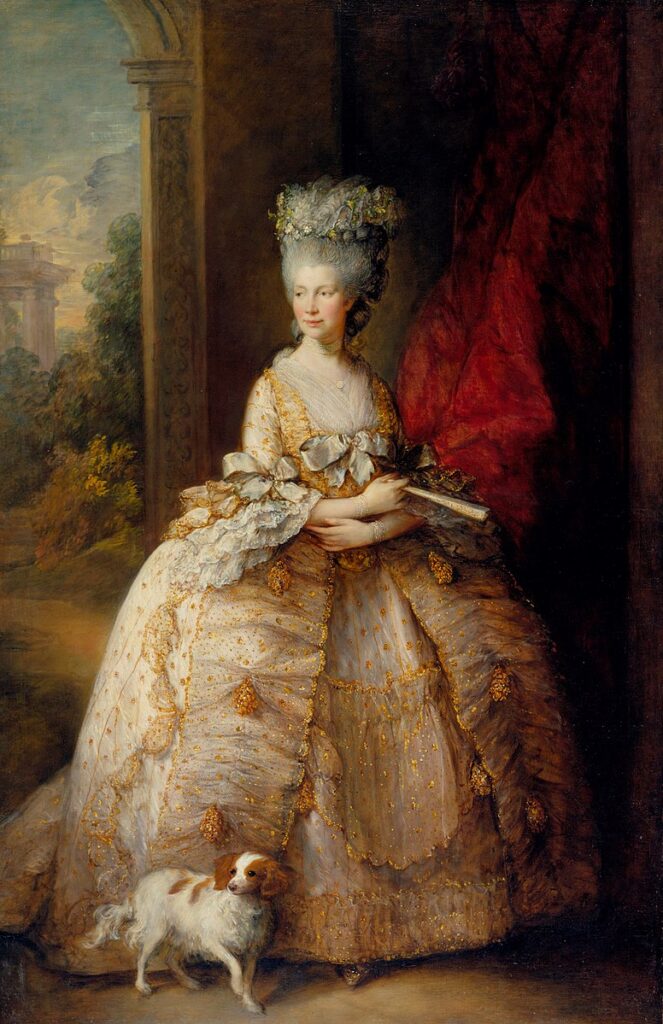
The latest series of Bridgerton – Queen Charlotte: A Bridgerton Story – has captured viewers with a reimagining of the monarch’s life. But who was the real Queen Charlotte? And what was her marriage to George III actually like?  Dr Robin Eagles, editor of the Georgian Lords, discusses… At 1 o’clock on 17 November 1818, Queen Charlotte died at Kew after what the London Gazette … Continue reading ‘Almost an afterthought’: Queen Charlotte

‘The buzz, the prattle, the crowds, the noise, the hurry’: the Coronation of George III and Queen Charlotte

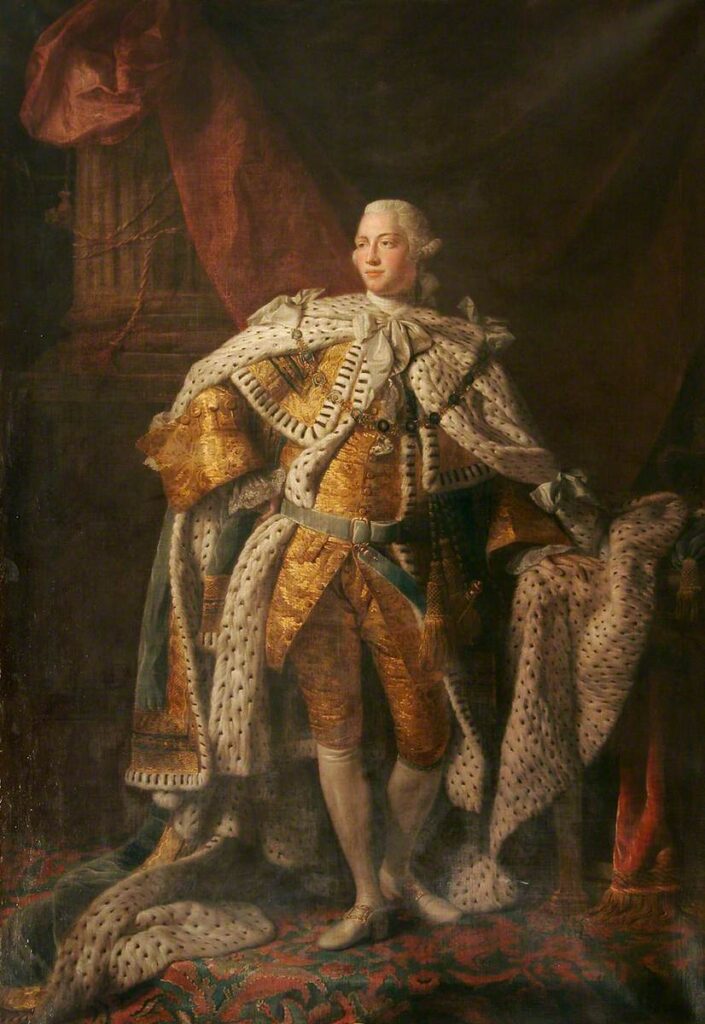
Royal celebrations in the Georgian period were renowned for their mixture of stately formality and farcical mix-ups. In the third of our series on 18th-century coronations, we turn to that of George III in the late summer of 1761, which proved no exception, as Dr Robin Eagles points out. Shortly after 10 pm on 22 September 1761 the doors of Westminster Hall were flung open … Continue reading ‘The buzz, the prattle, the crowds, the noise, the hurry’: the Coronation of George III and Queen Charlotte

‘The most solemn, magnificent, and sumptuous ceremony’: The coronation of George II and Queen Caroline, 11 October 1727

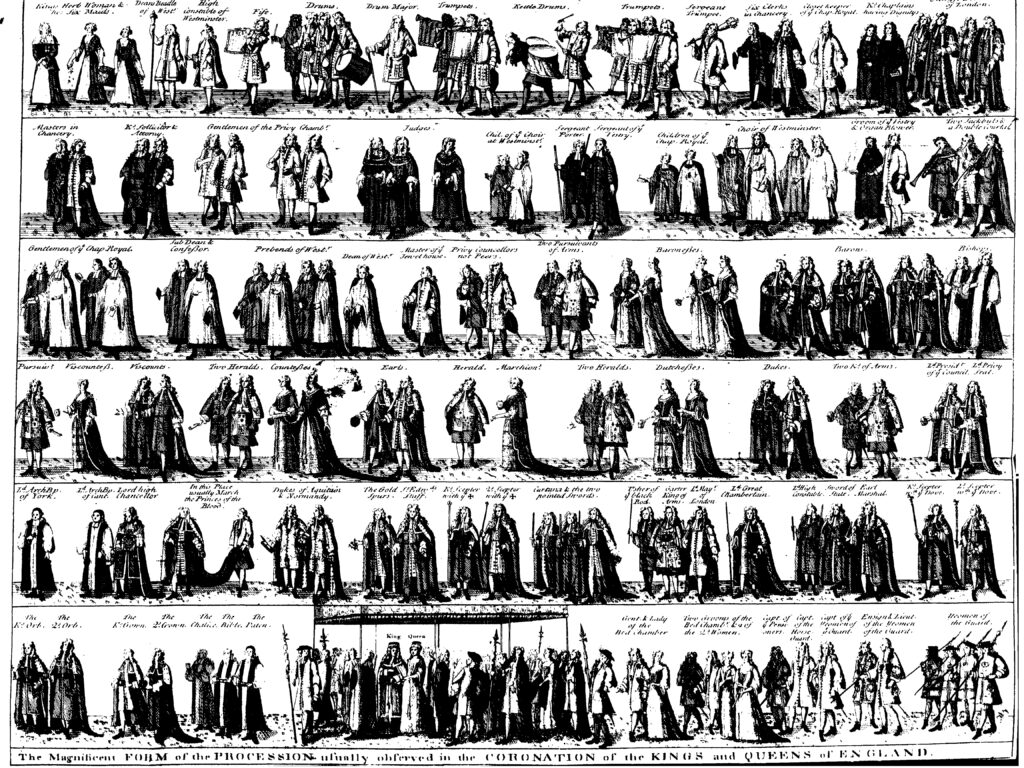
Contemporaries were agreed that the coronation of George II and Queen Caroline on 11 October 1727 was spectacular. In our second Coronation-themed blog, Dr Charles Littleton looks back on the event and considers the roles played by some of those involved in it. For the Swiss traveller César de Saussure the coronation of 1727 was ’the most solemn, magnificent, and sumptuous ceremony it is anyone’s … Continue reading ‘The most solemn, magnificent, and sumptuous ceremony’: The coronation of George II and Queen Caroline, 11 October 1727