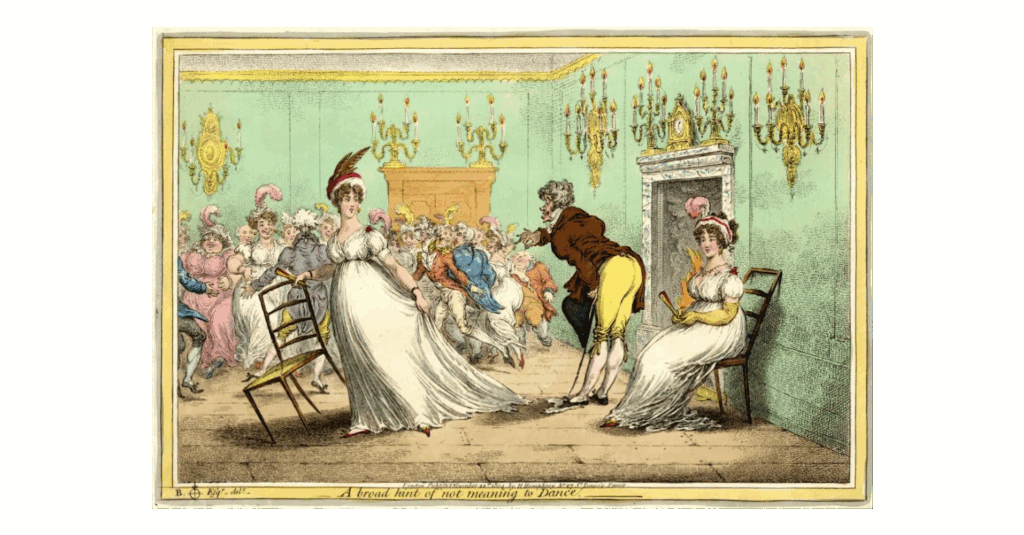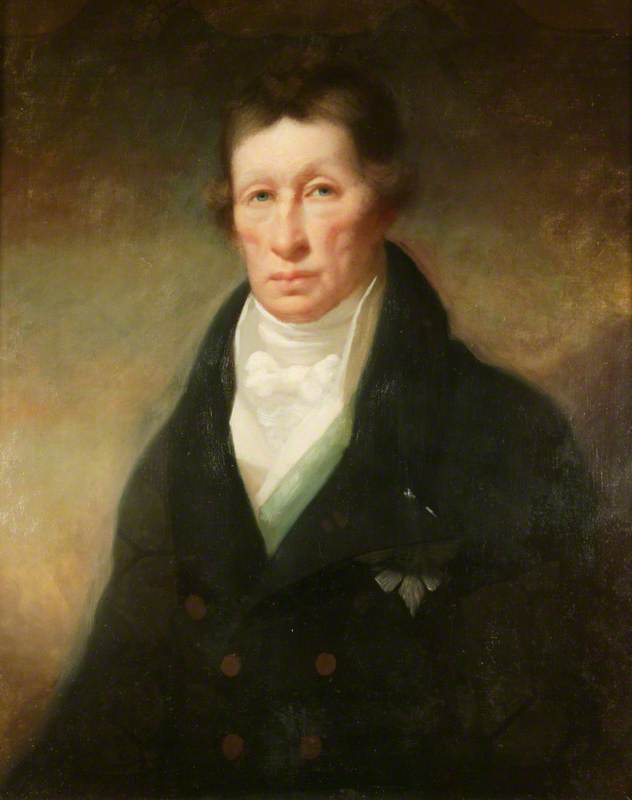

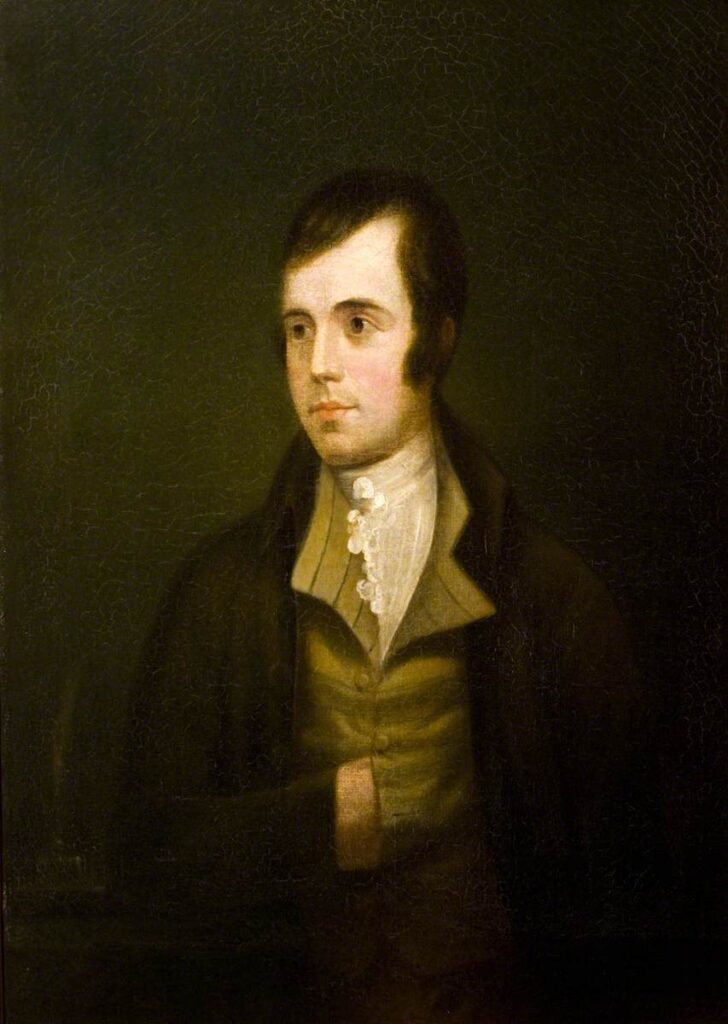
Portrait of a young man with dark hair wearing 18th-century clothing, a dark coat and a buff waistcoat

Robert Burns in Edinburgh: peers, patrons, and politics

In the wake of Burns Night, it is worth considering how the patronage of a small number of Scottish nobles helped Robert Burns become established as the national bard. In his latest piece for the Georgian Lords, Dr Charles Littleton, considers the important role played by a clutch of elite Scots families. Burns first published his Poems, Chiefly in the Scottish Dialect, in Kilmarnock in … Continue reading Robert Burns in Edinburgh: peers, patrons, and politics

A ‘cook’d up’ affair: Queen Charlotte’s 1794 Epiphany Ball

The Court of George III and Queen Charlotte has often been characterized as a rather dull affair, a stark contrast to the more glitzy events on offer in the household of their son, the Prince of Wales. Just how ad hoc things might be is perhaps not quite as much appreciated. In the latest article for the Georgian Lords, Dr Robin Eagles considers Queen Charlotte’s … Continue reading A ‘cook’d up’ affair: Queen Charlotte’s 1794 Epiphany Ball

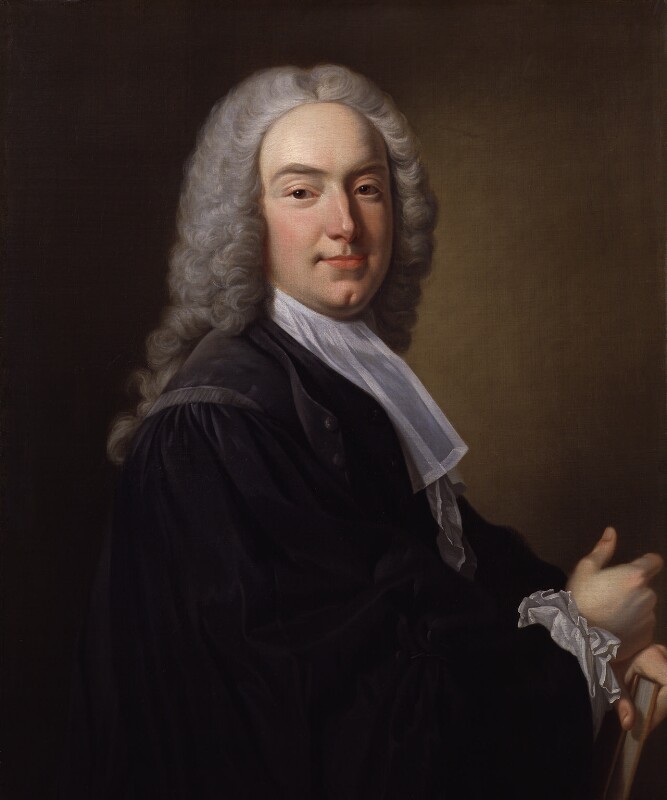
Somerset v Stewart, 1772: an End to Slavery in Britain? 

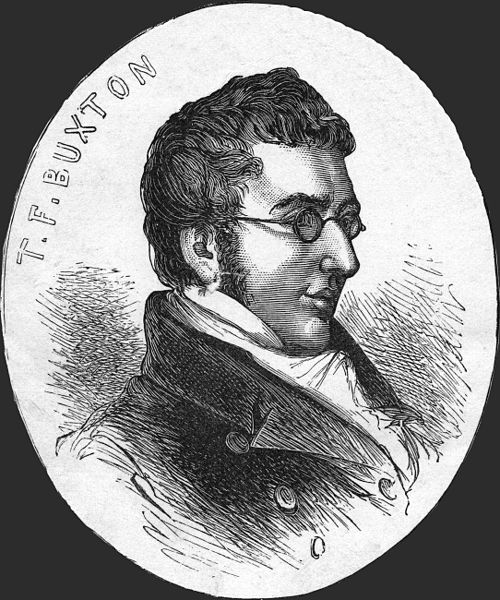
The campaigning activities of abolitionist MPs such as William Wilberforce and Thomas Fowell Buxton are well-known, but one former MP, who had become a member of the House of Lords, was involved in this question in a rather different way. Joe Baker – Public Engagement Assistant for the History of Parliament – looks at the landmark decision made by Lord Mansfield in the case of … Continue reading Somerset v Stewart, 1772: an End to Slavery in Britain? 

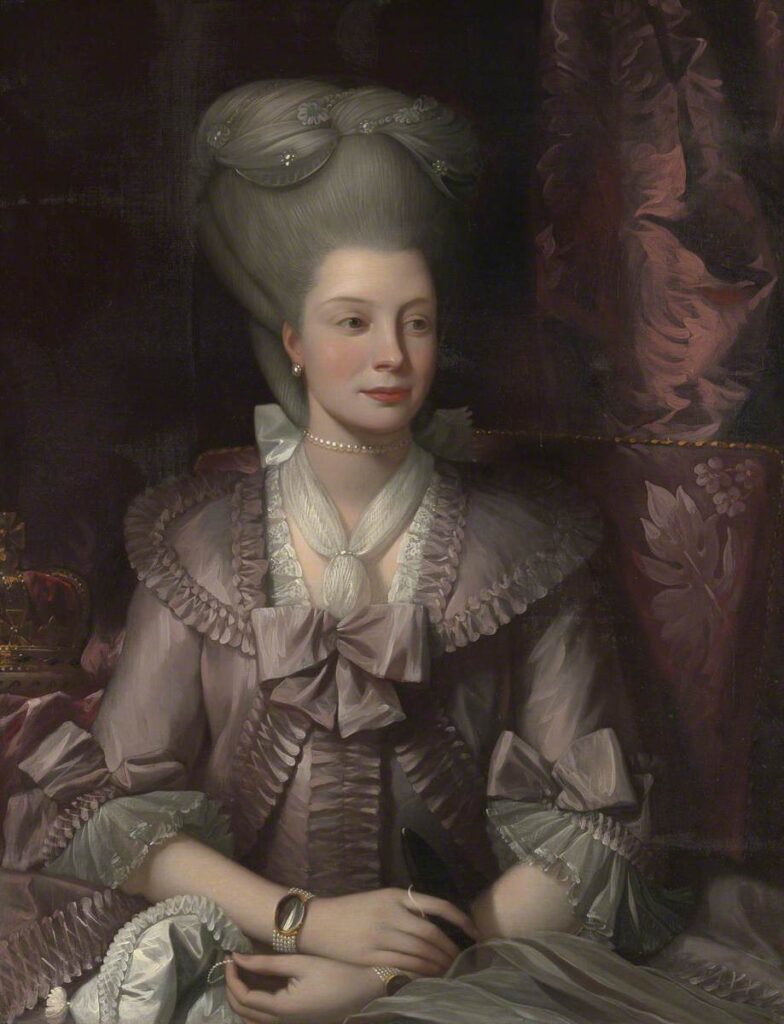
A Meddlesome Mother? Queen Charlotte and the Regency Crisis

In October 1788, George III fell ill with an unknown ‘malady’ which rendered him unable to fulfil his duties as sovereign: the beginning of the king’s famous ‘madness’. In the latest post for the Georgian Lords, we welcome Dr Natalee Garrett, who considers the role of Queen Charlotte during the period of the king’s illness, and more broadly. As the Prince of Wales was 26 … Continue reading A Meddlesome Mother? Queen Charlotte and the Regency Crisis

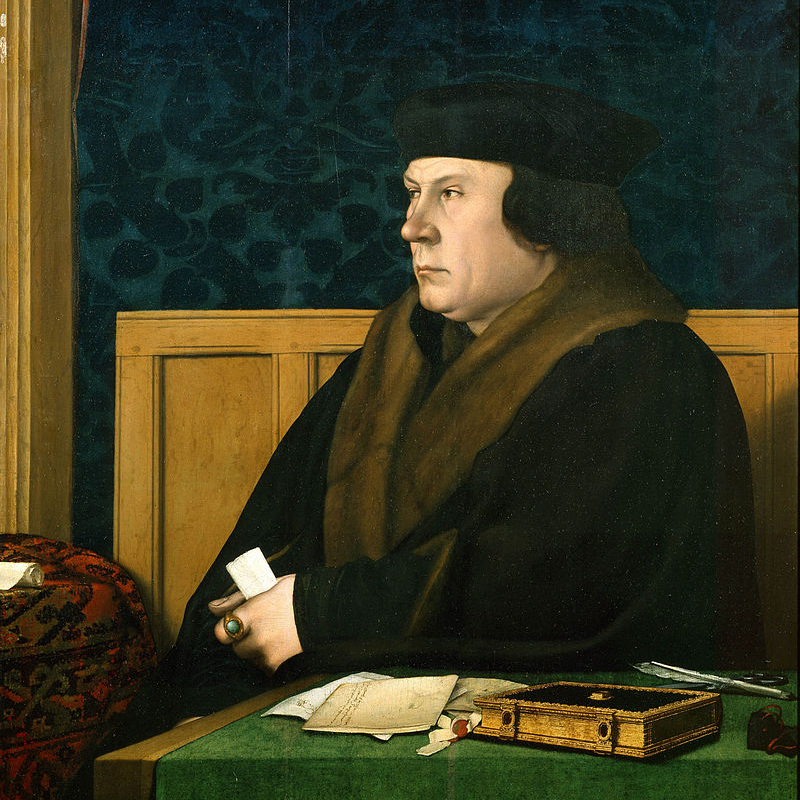
The Last of the Cromwells

The current BBC production of Wolf Hall: the Mirror and the Light, the last of Hilary Mantel’s novels charting the rise and fall of Thomas Cromwell, is a reminder that Cromwell’s dynasty did not end with him on the block. In this post, Dr Robin Eagles considers the careers of some of the direct heirs and how Cromwell’s descendant, Elizabeth, attended the coronation of Queen … Continue reading The Last of the Cromwells

Did you know, Lord George Gordon had two brothers?

In his latest post for the Georgian Lords, Dr Stuart Handley looks into the family of the notorious Lord George Gordon, who was at the centre of the political storm that resulted in the 1780 ‘Gordon Riots’ that rocked London and other British towns and cities… The recent riots engulfing parts of Britain have rekindled interest in the propensity of the populace to riot during … Continue reading Did you know, Lord George Gordon had two brothers?

John London: Britain’s First Black Voter?

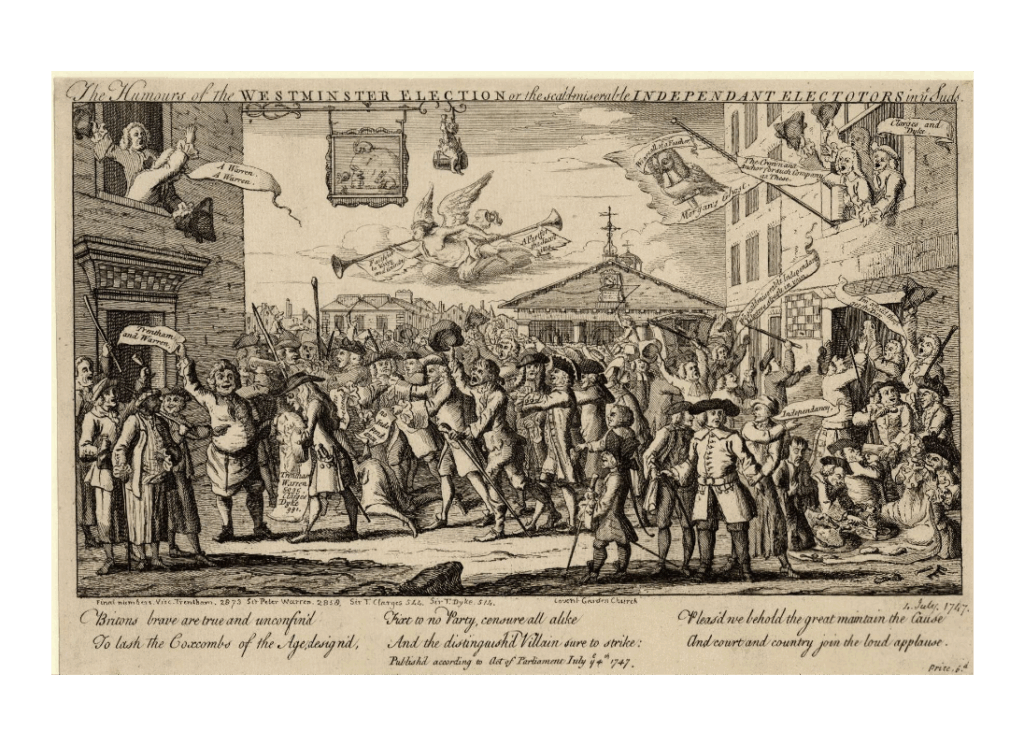
At first glance, the 1749 Westminster constituency by-election does not seem to warrant too much attention, with the incumbent, Viscount Trentham, being re-elected following his appointment to office. However, as Dr Gillian Williamson explores, the election provides the earliest known record of a Black person voting in a British parliamentary election – John London. In November 1749 John London walked from his home to vote … Continue reading John London: Britain’s First Black Voter?

The day Parliament was invaded

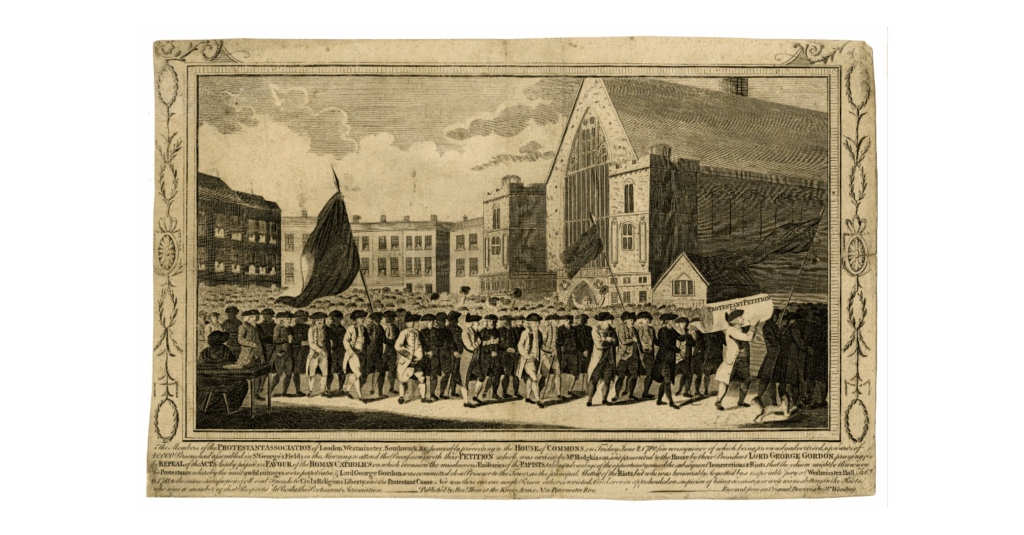
In the summer of 1780 London, and several other cities across England, experienced some of the worst rioting they had seen in a generation, following the presentation of a petition to Parliament calling for the repeal of the Catholic Relief Act. In the latest post for the Georgian Lords, Dr Robin Eagles considers the evidence of Lord George Gordon’s trial report and the insights it … Continue reading The day Parliament was invaded

1833 Slavery Abolition Act: The Long Road to Emancipation in the British West Indies

Today marks the anniversary of the 1833 Slavery Abolition Act receiving royal assent. But why was this bill necessary 26 years after the passing of the 1807 Slave Trade Act, and why was full emancipation not reached until 1838? Our Public Engagement Assistant Joe Baker looks further into the specifics of the Act… In 1807, Parliament passed An Act for the Abolition of the Slave … Continue reading 1833 Slavery Abolition Act: The Long Road to Emancipation in the British West Indies

Declaring the result of an Eighteenth Century Election

Today the nation will be casting their votes in the 2024 General Election with most constituencies declaring their results in the early hours of the morning. However, as Dr Robin Eagles explains in our final Georgian Elections Project blog, 18th-Century voters would have had to wait for considerably longer to find out who their new MPs were… Even in a snap election, polling day is … Continue reading Declaring the result of an Eighteenth Century Election