
The Duke of Cambridge and the Hanoverian Succession, 1706-14

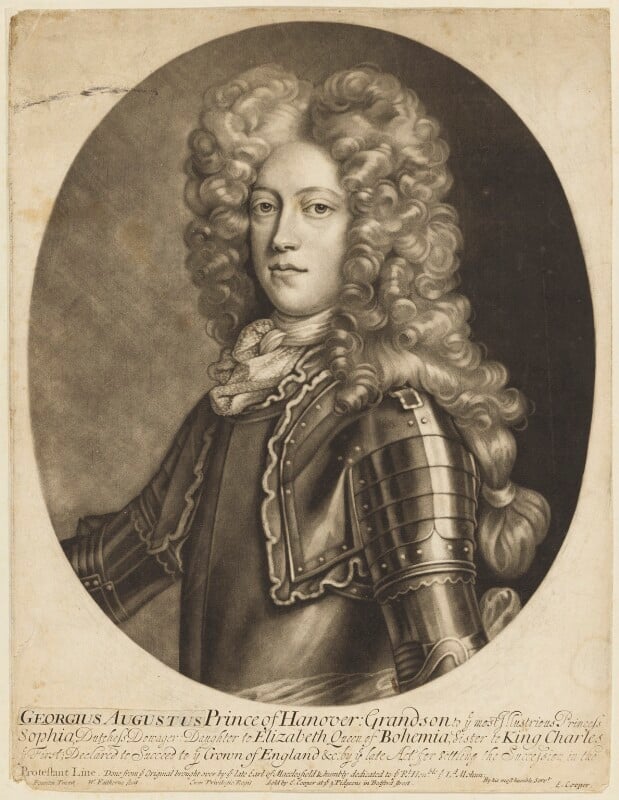
Early modern monarchs often were jealous of their heirs. In the early 18th century this was especially the case when the childless Queen Anne faced the prospect of seeing her crown pass to foreign cousins. In this article, marking the anniversary of Anne’s death and the accession of George I, we consider the manoeuvring around the creation of George’s heir as an English duke. The … Continue reading The Duke of Cambridge and the Hanoverian Succession, 1706-14

From bills to bullets: Spring 1775 and the approach to war in America

A recent article in this series [Background to the American Revolution] looked at the debates in the House of Lords in early February 1775 on a bill for conciliation with the American colonies. After its rejection the imperial crisis continued to occupy the House’s attention. In the latest post for the Georgian Lords, Dr Charles Littleton considers the debates and divisions occasioned by the addresses, … Continue reading From bills to bullets: Spring 1775 and the approach to war in America

John Lewis: A Black Sailor at the 1828 Weymouth By-Election

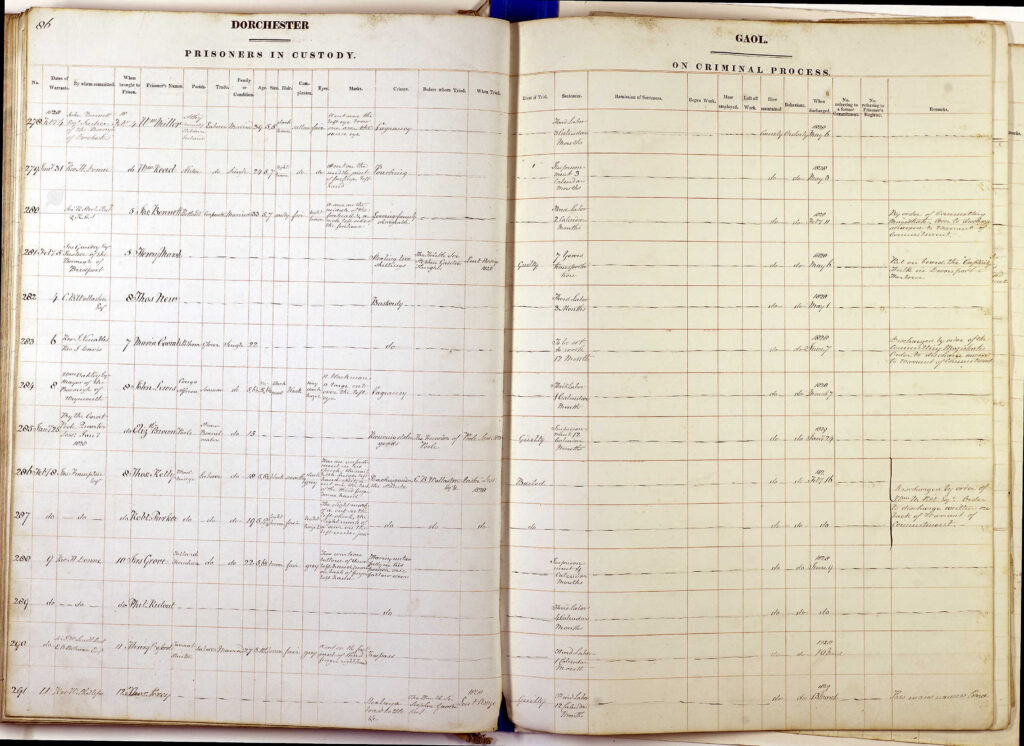
In this guest article Dr Joe Cozens discusses his research into John Lewis, a Black sailor who was arrested during the 1828 Weymouth by-election. Dr Cozens is a Nineteenth Century Social and Political Records Researcher at The National Archives, Kew. On the eve of the February 1828 Weymouth and Melcombe Regis by-election, a Black seaman named John Lewis was arrested for being ‘at the head … Continue reading John Lewis: A Black Sailor at the 1828 Weymouth By-Election

Bloomsbury Square and the Gordon Riots

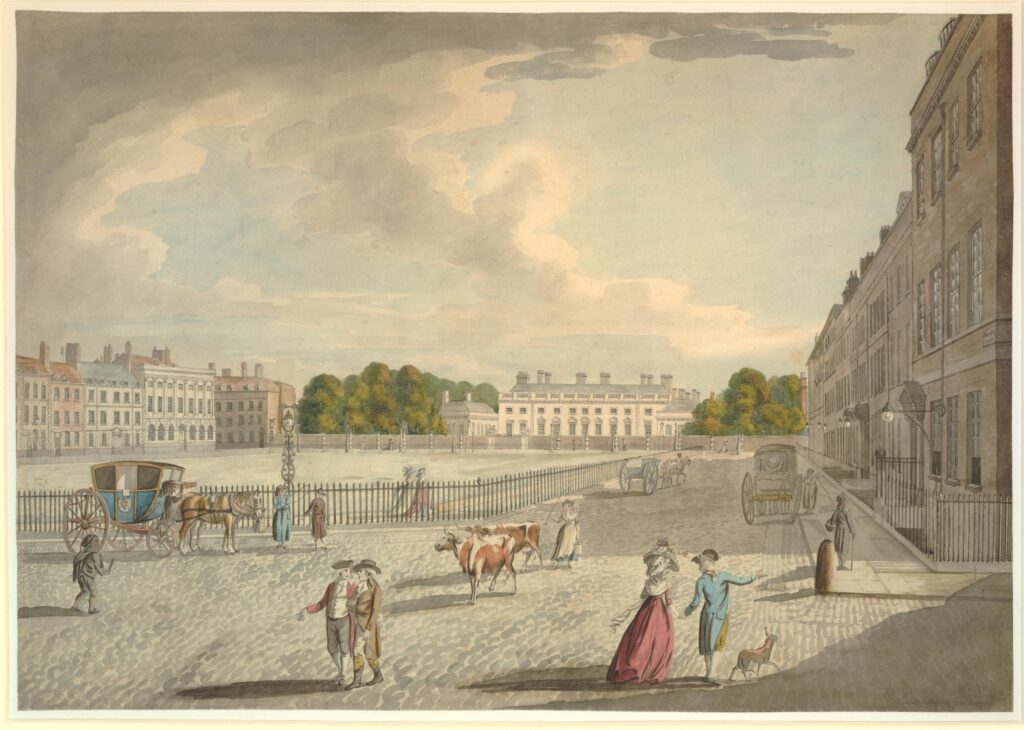
For almost 20 years, Bloomsbury Square has been the home to the History of Parliament. In the latest post for the Georgian Lords, Dr Robin Eagles considers the history of the square in one of its most turbulent periods. Bloomsbury Square, and its immediate surroundings, have long been associated with prominent political figures. In 1706, several peers had residences in the square, notably the (2nd) … Continue reading Bloomsbury Square and the Gordon Riots

How did the routes of political processions and protest marches evolve in London during the nineteenth century?

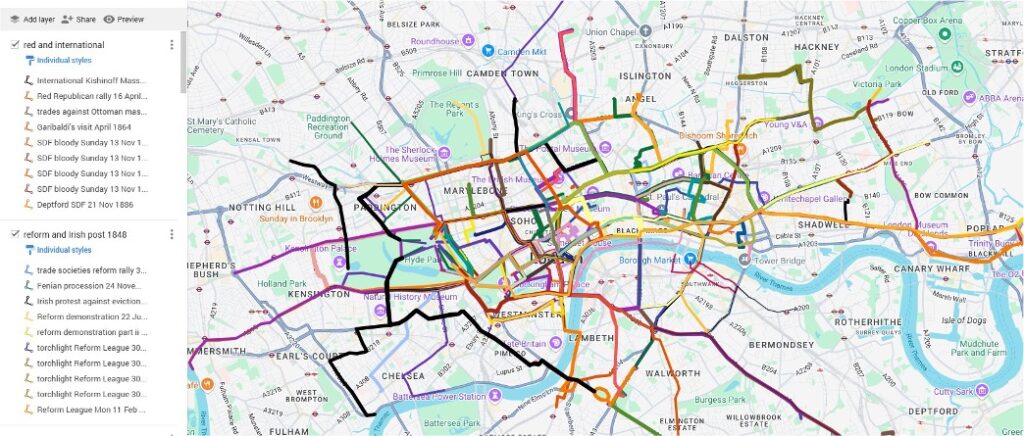
At the IHR Parliaments, Politics and People seminar on 20 May 2025, Professor Katrina Navickas of the University of Hertfordshire will be discussing ‘The development of political processions and protest marches in London, 1780-1939’. The seminar takes place on 20 May 2025, between 5:30 and 6.30 p.m. It will be hosted online via Zoom. Details of how to join the discussion are available here. Protest marches in … Continue reading How did the routes of political processions and protest marches evolve in London during the nineteenth century?

portrait of a young man in 18th-century dress

‘of all others most desirable’: Pitt the Younger and elections for Cambridge

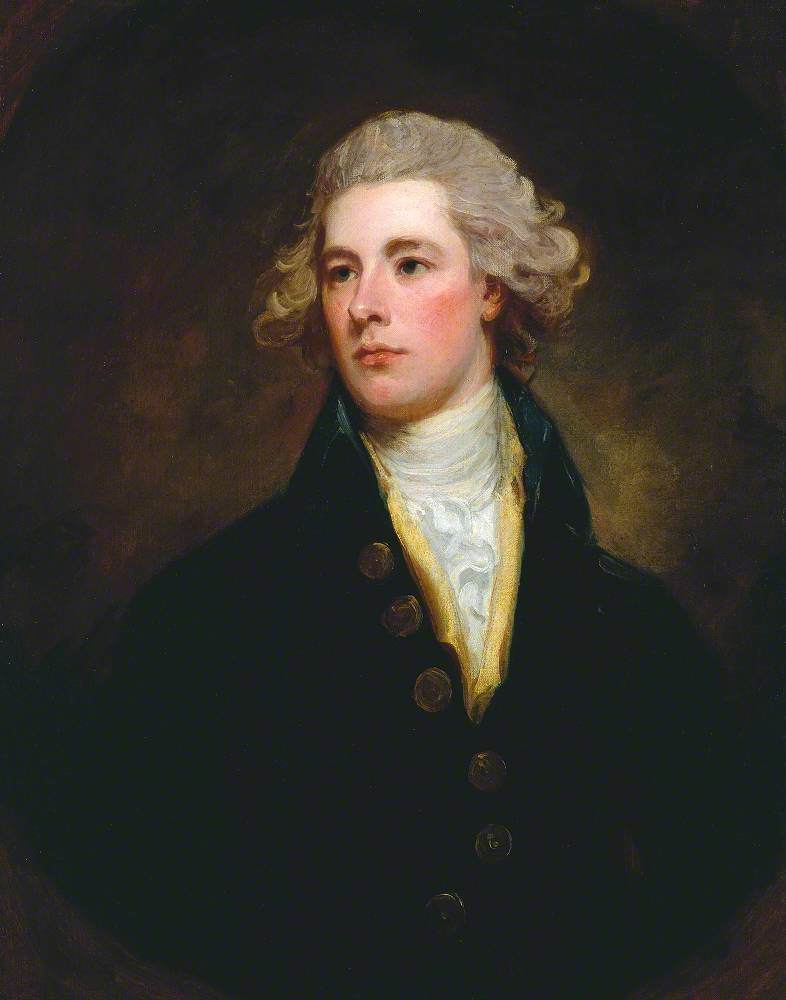
From the onset of his lengthy political career, William Pitt the Younger had his eyes fixed on representing his alma mater, the University of Cambridge. Writing to his mother in July 1779, he observed that the University seat was ‘of all others most desirable, as being free from expense, perfectly independent, and I think in every respect extremely honourable’. In this latest guest post for … Continue reading ‘of all others most desirable’: Pitt the Younger and elections for Cambridge

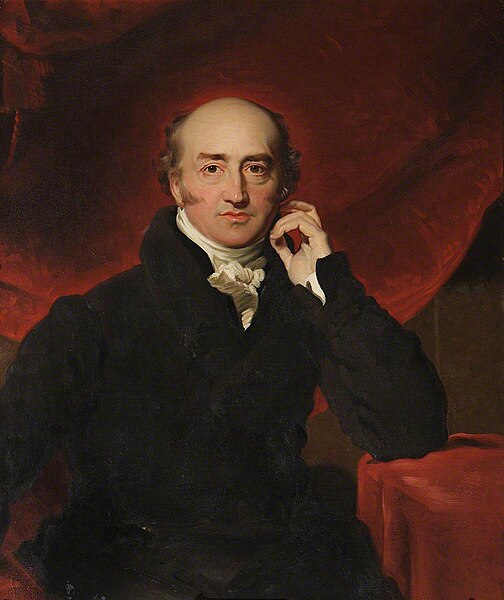
The Speaker’s House and the Evolution of the Speakership, 1794–1834

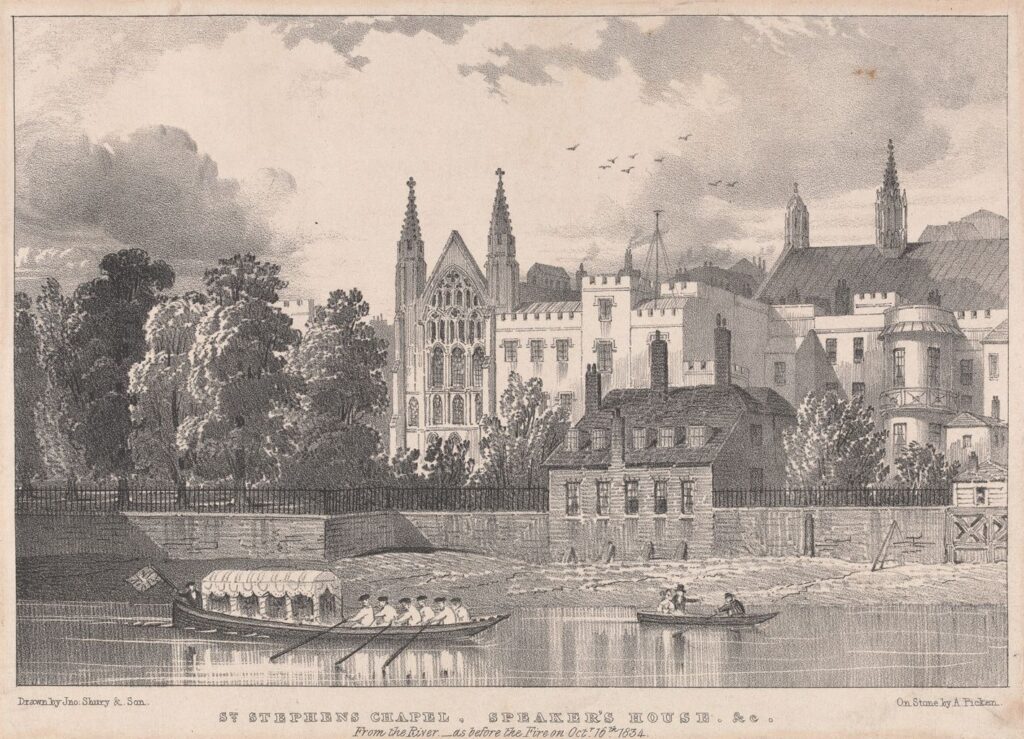
At the IHR Parliaments, Politics and People seminar on 6 May 2025, Dr Murray Tremellen of York Museums Trust will be discussing ‘The Speaker’s House and the Evolution of the Speakership, 1794–1834’ . The seminar takes place on 6 May 2025, between 5:30 and 6.30 p.m. It will be hosted online via Zoom. Details of how to join the discussion are available here. There are … Continue reading The Speaker’s House and the Evolution of the Speakership, 1794–1834

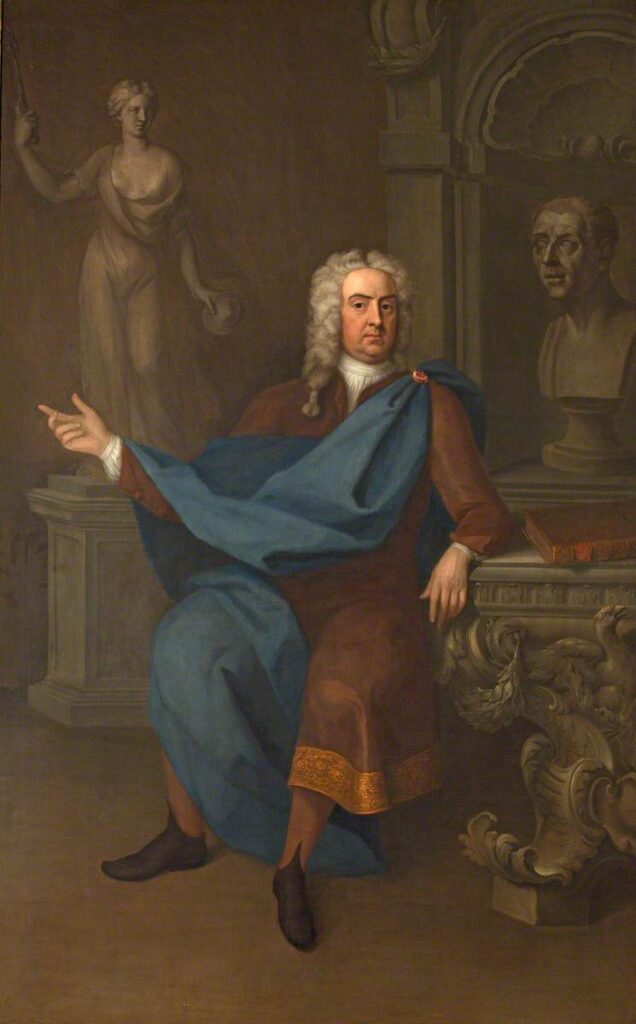
Painting of a man in 18th-century dress with a long grey wig, wearing a brown coat with a blue robe set among classical figures.

Some thoughts on William Pulteney, earl of Bath

The 31 May 2025 marks Dr Stuart Handley’s last day at the History of Parliament. One of his last biographies for The House of Lords, 1715-90 has been William Pulteney, earl of Bath. It will be the third History of Parliament biography of Pulteney, his long career having been covered by Dr Andrew Hanham in The House of Commons, 1690-1715, and by Dr Romney Sedgwick … Continue reading Some thoughts on William Pulteney, earl of Bath

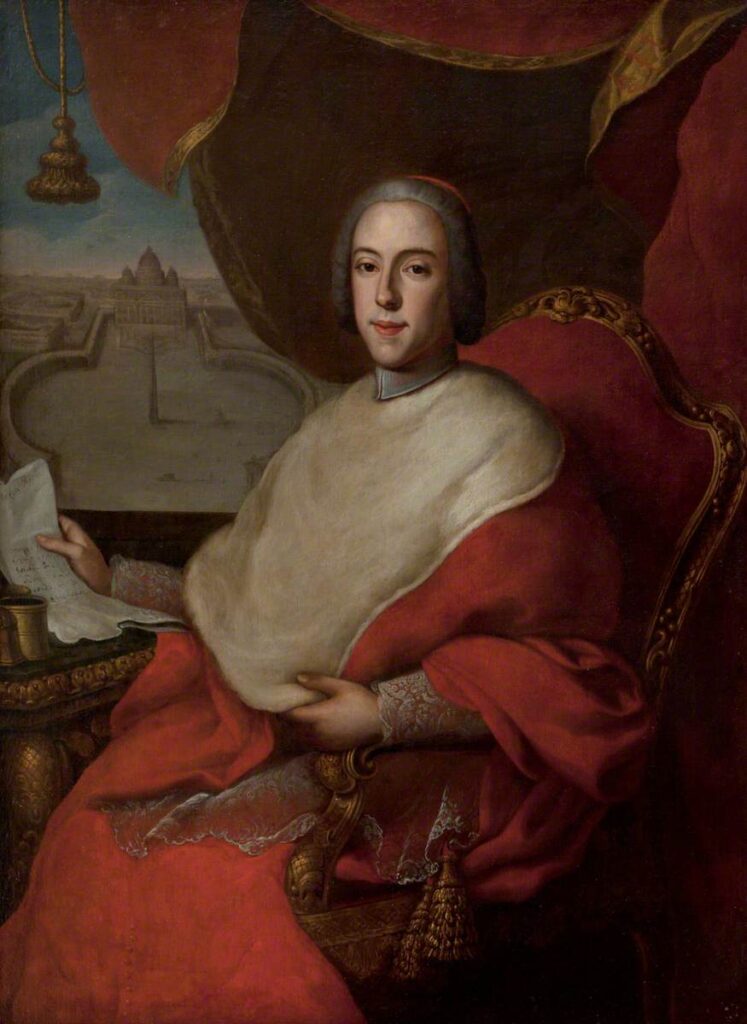
The Last of the Jacobites: Henry Benedict

Henry Benedict, Cardinal York (1725-1807), born 300 years ago this March, was the last member of the royal family to take an active role in a papal Conclave, when he participated in the election of Pope Pius VII at Venice in 1800. Dr Robin Eagles investigates how he found himself in that position… On 6 March 1725, Pope Benedict XIII (1724-30) was roused from a … Continue reading The Last of the Jacobites: Henry Benedict

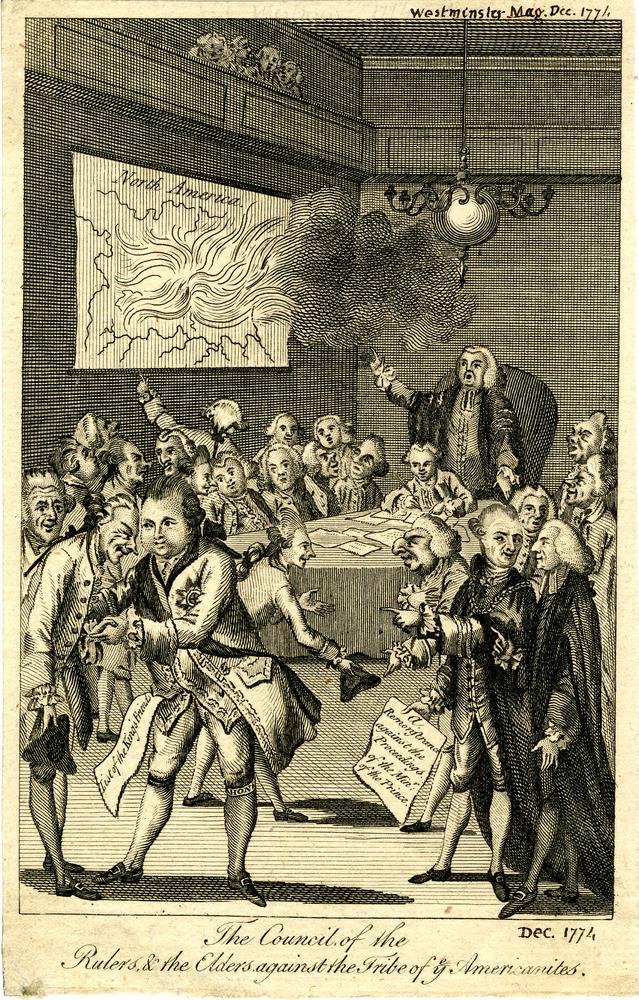
Background to the American Revolution

As part of a new infrequent series on the American Revolution and its connection to Parliament, Dr Robin Eagles explores the immediate background to the Revolution, and early Parliamentary debates surrounding it in February 1775. At the beginning of 1775, pretty much every British politician agreed that something needed to be done about America, with many eager to find a way to reconcile both parties … Continue reading Background to the American Revolution